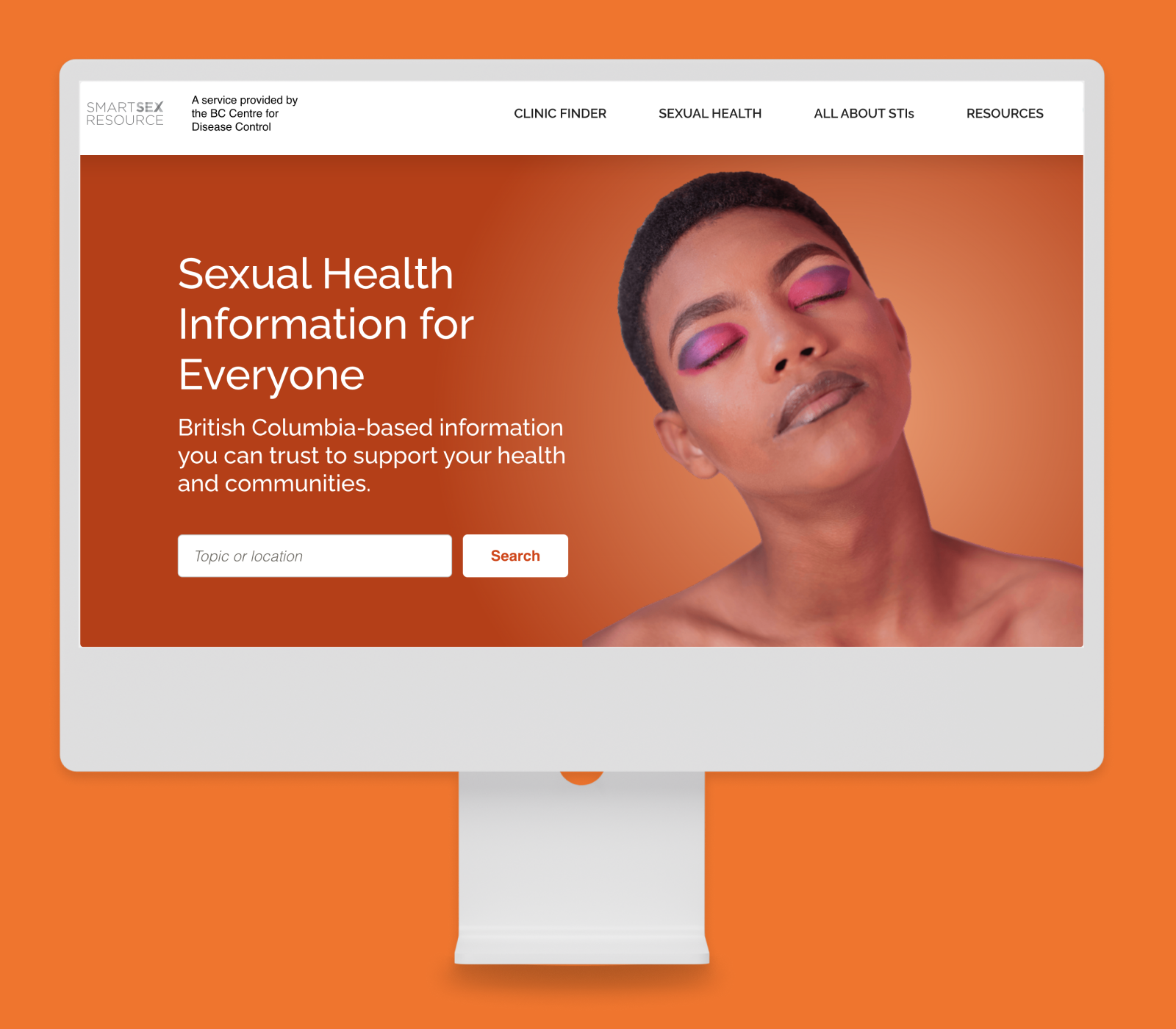
Sexual Health Websites and Literacy
Our research explores factors influencing the effectiveness and user engagement of sexual health websites with a focus on user demographics, behaviour, and e-loyalty. Our research also explores sexual health literacy, focusing on gay, bisexual, and other men who have sex with men.
Our research has a focus on SmartSex Resource, British Columbia’s sexual health website. key findings include challenges in delivering inclusive HIV prevention information online, the impact of reverse discourse on young users’ engagement, and factors shaping user perceptions, loyalty, and behaviour changes. It provides insights into health literacy, audience needs, and best practices for web-based sexual health interventions.
Our research also explores sexual health literacy, underscoring its critical role in improving sexual health outcomes for men who have sex with men (MSM). Researchers propose frameworks for understanding and addressing sexual health literacy gaps, recognizing the unique needs of gay, bisexual, and other MSM populations. This includes strategies for enhancing HIV/STI risk prevention and informed consent, particularly in the context of internet-based testing services.
The research highlights challenges in providing accessible and accurate sexual health information online, especially on Canadian agency websites. These barriers include ensuring the content is engaging, trustworthy, and culturally appropriate while meeting the specific health literacy needs of MSM. The findings stress the need for tailored, evidence-based approaches to improving health literacy in this community, with an emphasis on collaboration across national and international research efforts.